
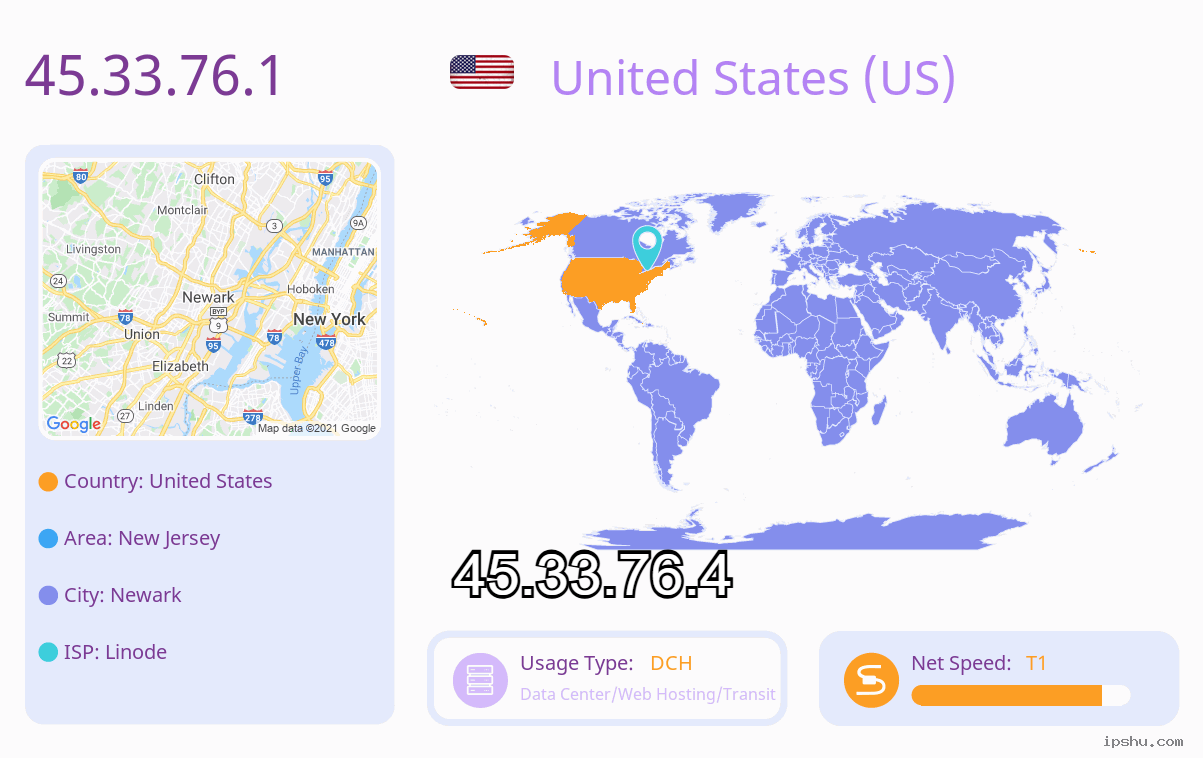
When it comes to the digital world, numbers like 45.33.76.4 might seem random, but they actually hold a lot of importance. This seemingly simple string is what we call an IP address, a fundamental building block of the internet. From web browsing to server communications, IP addresses like 45.33.76.4 play a critical role in how devices find and interact with each other online. In this article, we’ll unpack everything you need to know about 45.33.76.4, its significance, and what it reveals about the broader world of internet networking.
What is 45.33.76.4?
At first glance, 45.33.76.4 looks like just a series of numbers separated by dots. In reality, this is an IPv4 address, a standard type of internet protocol used to identify devices on a network. IPv4 addresses are composed of four numbers, each ranging from 0 to 255, separated by periods. Each of these numbers is called an “octet” because it represents 8 bits of data.
The purpose of an IP address is straightforward: it acts as a unique identifier for a device, whether that’s your computer, smartphone, server, or any other device connected to the internet. Without IP addresses like 45.33.76.4, devices wouldn’t know where to send data, much like trying to deliver a letter without an address.
Interestingly, an IP address can be either static or dynamic. A static IP, like 45.33.76.4 could be, remains constant over time and is often used by servers to ensure they can always be located. Dynamic IPs, in contrast, change periodically, usually assigned by an Internet Service Provider (ISP) to everyday users.
The Origin and Ownership of 45.33.76.4

Every IP address has an origin, typically traced to the ISP or organization that controls it. The number 45.33.76.4 belongs to a block of IPs that are registered with a specific network operator. Tools like WHOIS lookup can reveal which company owns an IP, its country of registration, and sometimes even the city from which it is operating.
For instance, an investigation into 45.33.76.4 might reveal that it’s associated with a cloud hosting provider. This is quite common as cloud services often host websites, databases, and applications that require fixed IP addresses. Knowing the owner of an IP can be useful for various purposes, such as cybersecurity, server management, or even content localization.
Ownership also affects how the IP is treated online. Certain IP ranges are trusted more than others, while some may be flagged due to suspicious activity. For businesses and IT professionals, understanding the origin of an IP address like 45.33.76.4 is critical for network security and maintaining smooth digital operations.
IP Addresses and Geolocation
One of the fascinating aspects of IP addresses is that they can hint at a device’s geographical location. Using geolocation databases, one can determine the approximate country, region, or city associated with 45.33.76.4. This doesn’t give an exact street address, but it can be accurate enough for marketing, analytics, or cybersecurity purposes.
Geolocation has practical applications in everyday internet usage. For example, websites often customize content based on the visitor’s IP. If 45.33.76.4 is detected as being in the United States, the website might display prices in dollars, local news, or region-specific promotions. Similarly, streaming services use IP addresses to enforce content licensing rules, restricting access to shows or movies in certain countries.
While geolocation can be helpful, it also raises privacy concerns. Some users prefer to mask their real IP with VPNs or proxies, effectively making 45.33.76.4 appear as a different location. This demonstrates the dual nature of IP addresses: they are essential for digital connectivity but can also reveal sensitive information if misused.
Why 45.33.76.4 Matters in Networking
From a networking perspective, IP addresses like 45.33.76.4 are the backbone of the internet. Every request you make online—whether loading a webpage, sending an email, or streaming a video—relies on IP addresses to route data.
When a user types a web address into a browser, a Domain Name System (DNS) translates that domain into an IP address. If a website’s server happens to be associated with 45.33.76.4, the browser will use this number to locate the server and fetch the requested content. This is similar to looking up a phone number in a directory before making a call.
Additionally, IP addresses are crucial for network troubleshooting. Network administrators often monitor traffic to and from IPs like 45.33.76.4 to identify issues, detect intrusions, or optimize performance. For cybersecurity, knowing the IP allows for blocking malicious traffic or investigating attacks. It’s a core component of modern IT and network management.
Security Implications of IP Addresses
While IP addresses are indispensable, they also carry security implications. A public IP address like 45.33.76.4 is exposed to the internet, making it a potential target for malicious actors. Hackers can attempt to exploit vulnerabilities on servers linked to this IP, perform DDoS attacks, or use it for spamming.
This is why organizations often implement firewalls, intrusion detection systems, and IP whitelisting to protect critical IP addresses. Monitoring 45.33.76.4 for unusual activity can help prevent cyberattacks and ensure the server’s integrity.
On the user side, knowing the IP helps identify suspicious behavior. For example, repeated login attempts from an unfamiliar IP might trigger security alerts, prompting further investigation. Thus, 45.33.76.4 is not just a number—it’s a potential gatekeeper for digital security.
The Future of IP Addressing
IPv4 addresses, such as 45.33.76.4, have been around since the early days of the internet. However, the explosive growth of connected devices has led to a shortage of available IPv4 addresses. This is why IPv6, a newer addressing system, is gradually being adopted. IPv6 addresses are longer and allow for a virtually unlimited number of devices.
Despite the shift to IPv6, IPv4 addresses like 45.33.76.4 remain widely used due to legacy systems and compatibility reasons. IT professionals often manage both types of IPs to ensure smooth operations. Learning about IPv4 addresses gives a solid foundation for understanding networking, cybersecurity, and the overall architecture of the internet.
Conclusion
In summary, 45.33.76.4 may appear to be just a sequence of numbers, but it represents a critical element of digital communication. From identifying devices to routing data, enabling geolocation, and maintaining cybersecurity, this IP address plays a vital role in the online ecosystem. Whether you are a tech enthusiast, a network administrator, or just someone curious about how the internet works, understanding IP addresses like 45.33.76.4 opens a window into the intricate machinery that keeps the digital world running smoothly.
In the modern age, every device relies on IP addresses. Grasping their function and implications is not only fascinating but also essential for navigating the internet safely and efficiently. So next time you encounter a number like 45.33.76.4, remember—it’s much more than a random string; it’s a gateway to connectivity.
